At a glance
Expert's Rating
Pros
- Superb, versatile cameras
- Excellent display
- Brilliant build quality
- Slick Android 17 software
- Magic Capture is surprisingly good
Cons
- Lots of software bugs
- Battery life could be better
- Hit-and-miss gaming performance
- HiLight is pointless
Our Verdict
The Pixel 11 Pro is a curious phone. On one hand, it’s a technical marvel full of useful software tricks and a truly incredible camera system. But at the same time, the everyday experience is badly hamstrung, while the headline new HiLight feature is a waste of space. With an even higher price tag than its predecessor, that makes it a tough sell.
Price When Reviewed
This value will show the geolocated pricing text for product undefined
Best Pricing Today
Price When Reviewed
From $1,099
Best Prices Today: Google Pixel 11 Pro


In theory, the regular Pro model is the sweet spot in Google’s flagship Pixel lineup.
It offers a big step up compared to the regular model, yet retains basically all of the premium features on the top-of-the-line Pro XL, including those all-important cameras. On paper, you’re getting the best of Google within a compact, pocketable form factor.
But how true is that once you take it out into the real world? Before testing the Pixel 11 Pro, I thought it’d be a near-perfect phone for me. Unfortunately, after using it as my main smartphone for three weeks, it hasn’t lived up to expectations.
Design & Build
- Refined camera bar design and new colours
- ‘HiLight’ feature is terrible
- Excellent IP68-rated build
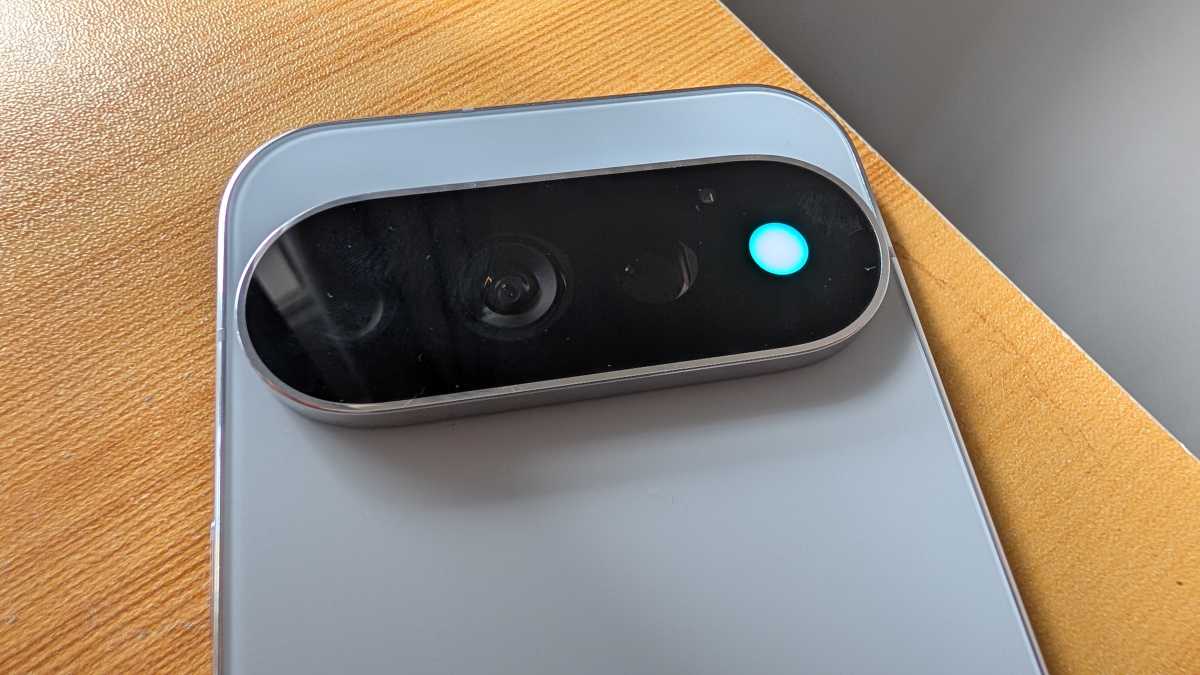
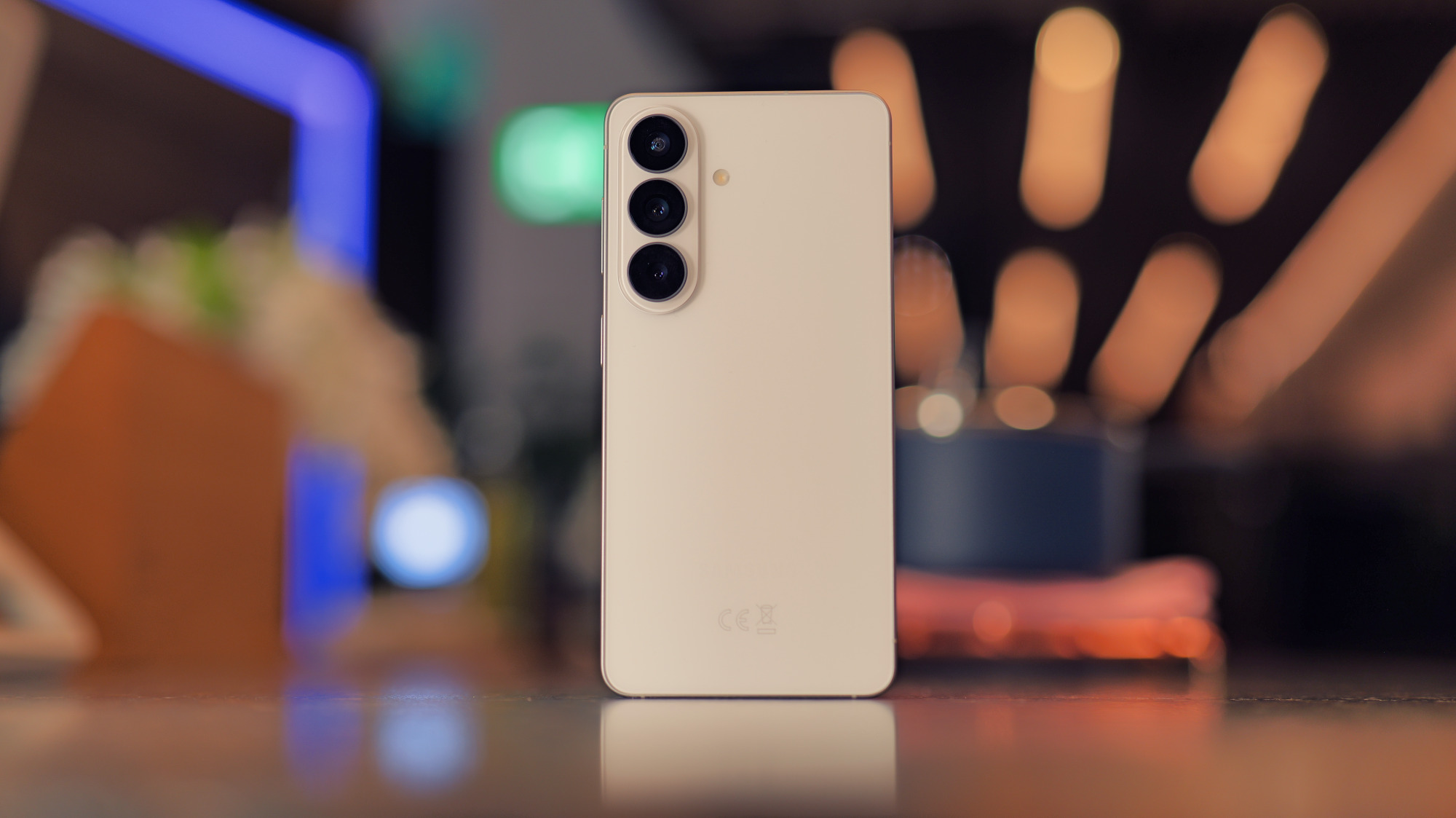
Since 2021, the horizontal camera bar has been the Pixel’s signature design feature, and that’s no different on the 11 Pro. However, there are a couple of significant tweaks this year, for both good and bad.
First up, the good: the module is now entirely covered in glass, with the unsightly metal section on the right now removed. It looks much cleaner, and avoids the jarring colour contrast you’d get on the back of the phone.
‘HiLight’ is the biggest anticlimax since Willy’s Chocolate Experience
However, the reason Google has been able to achieve this is due to ditching the built-in thermometer. While not exactly a devastating loss, I found it useful for measuring the temperature of all sorts of everyday objects, and it could even replace a body thermometer in a pinch.
But I have a much bigger issue with what replaces it. With rumours of ‘Pixel Glow’ lights early in the rumour cycle, many of us (including Google’s own Gemini AI assistant) had visions of a border of funky, customisable LEDs around the entire camera bar.
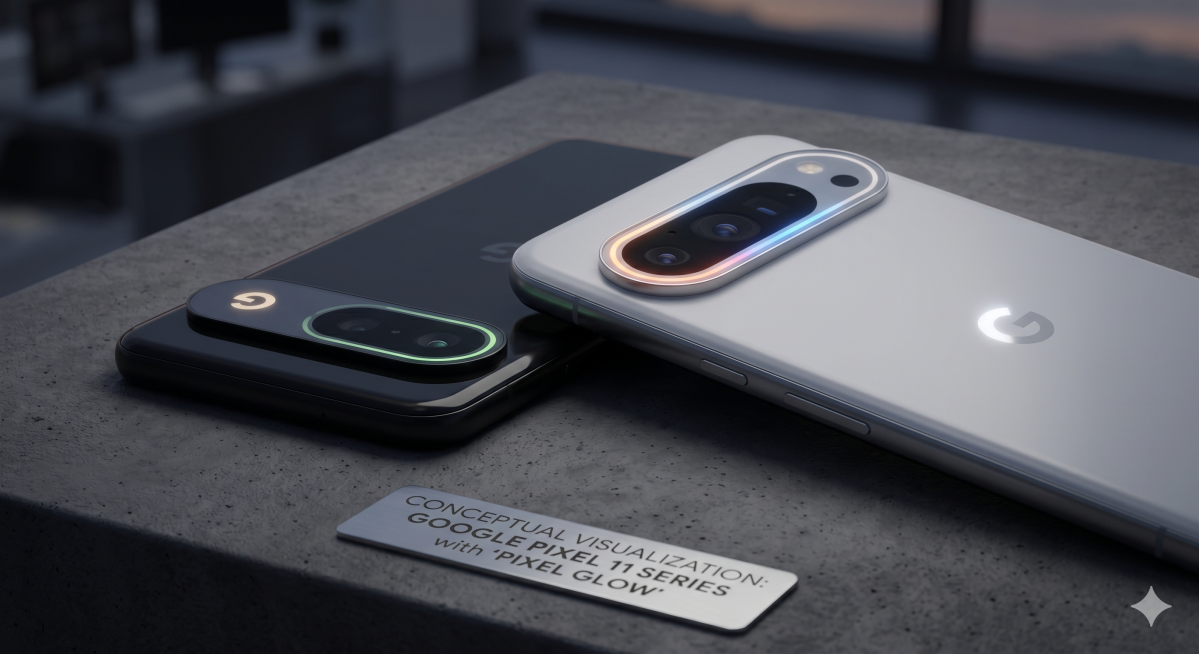
Google Gemini / Chris Martin
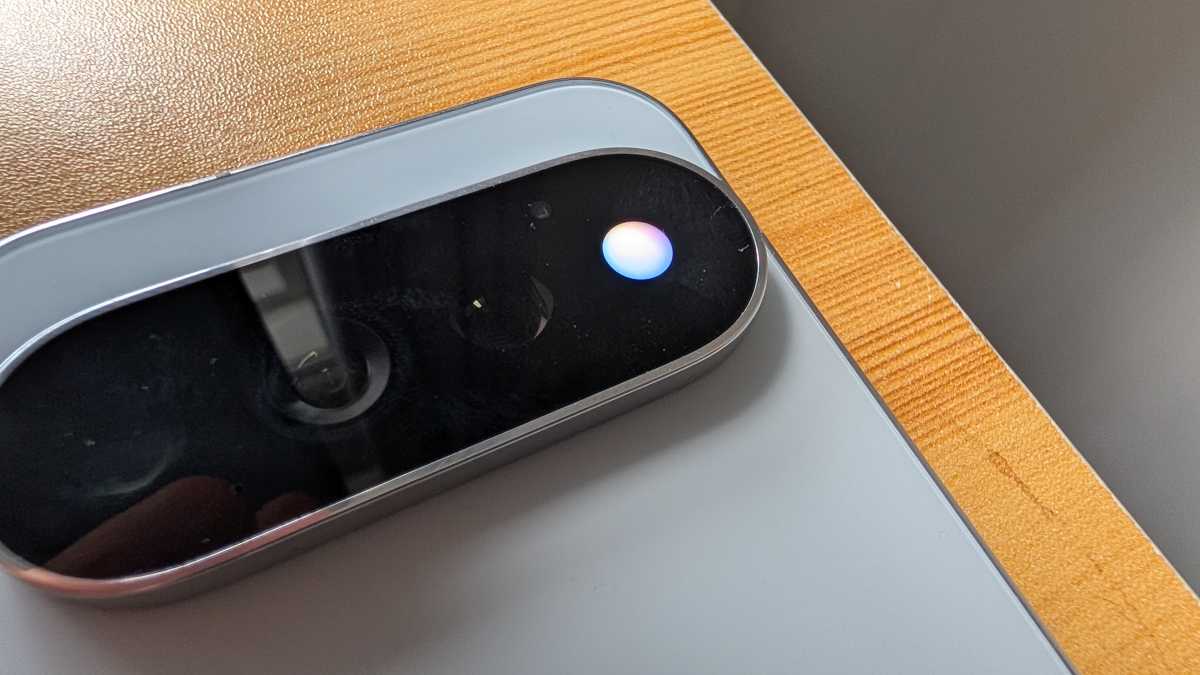
What we actually got was nothing short of embarrassing. ‘HiLight’ is the biggest anticlimax since Willy’s Chocolate Experience.
Putting aside the fact that it’s an ugly white blob in an otherwise sleek camera bar, the lack of functionality here is mind-boggling. HiLight can be used to glow a specific colour when a favourite contact calls, or pulse when you’re talking to Gemini. That’s literally it.
I’ve dropped my sample quite a few times, including onto hard wooden floors. It’s survived totally unscathed
It’s basically a fancy version of the old-school notification LED that can’t even show you when you’ve got a notification. It just feels like desperation from a company that wanted something eye-catching to include in marketing material.
If you really want customisable lights on the back of your phone (I definitely don’t), the ‘Glyphs’ on Nothing phones blow the Pixel 11 Pro out of the water.
Anyron Copeman / Foundry
The design is basically unchanged elsewhere, which I’m grateful for. Pixel flagships already had top-tier build quality, complete with tough Gorilla Glass 2 Victus on the front and back, plus a durable aluminium frame.
As usual, I’ve dropped my sample quite a few times, including onto hard wooden floors. It’s survived totally unscathed.
However, that was with the official case applied. I’d highly recommend it, especially as Google offers finishes to match each of the 11 Pro’s colourways – Obsidian (black), Canyon (pink-orange), Olive (deep green) and Fog (blue-grey) – plus several more.
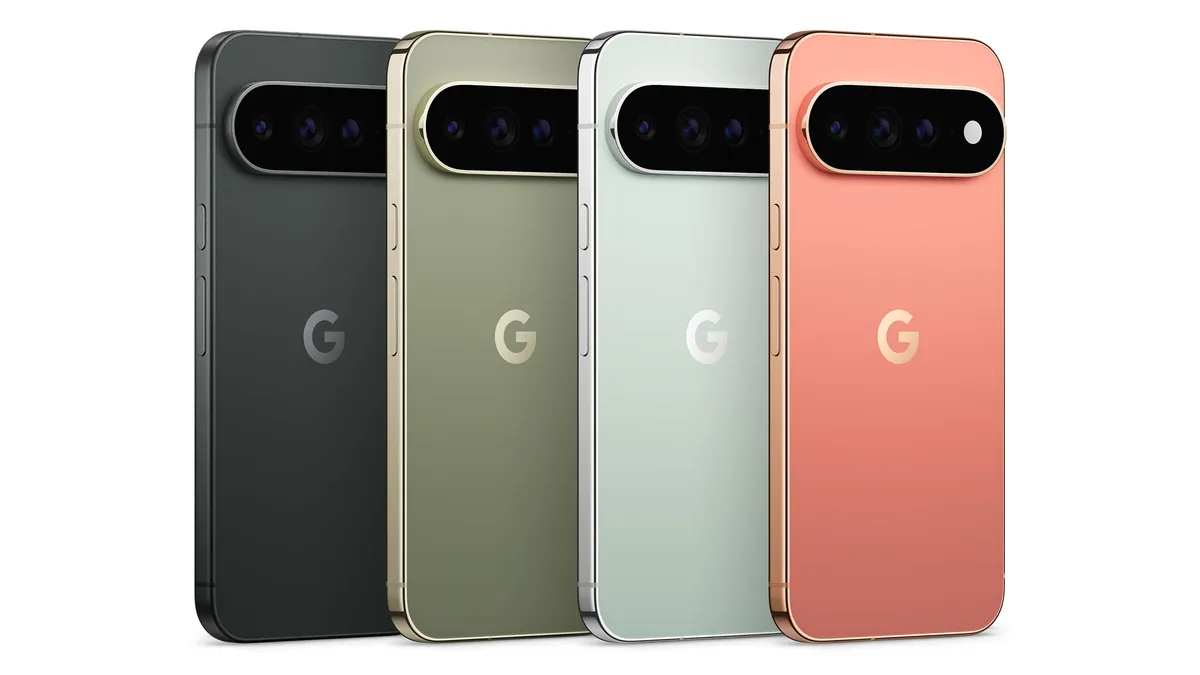
It adds significant protection without excess bulk, as well as some much-needed grip. Without it, I found that the phone would often slip out of my pocket or off the edge of a table, risking disaster.
While the Pixel 11 Pro Fold’s IP68 rating remains noteworthy, it’s par for the course here. Still, I don’t want to take a submersion-proof, dust-proof phone for granted – it provides crucial peace of mind.
Screen & Speakers
- 6.3-inch, 120Hz OLED
- Great for any task
- Solid stereo speakers
The display on the Pixel 11 Pro is basically unchanged compared to last year’s phone.
For the most part, that’s great news. The Pixel 10 Pro already had one of the finest screens on any smartphone, offering the rich, vivid colours and deep blacks we know and love on OLEDs.
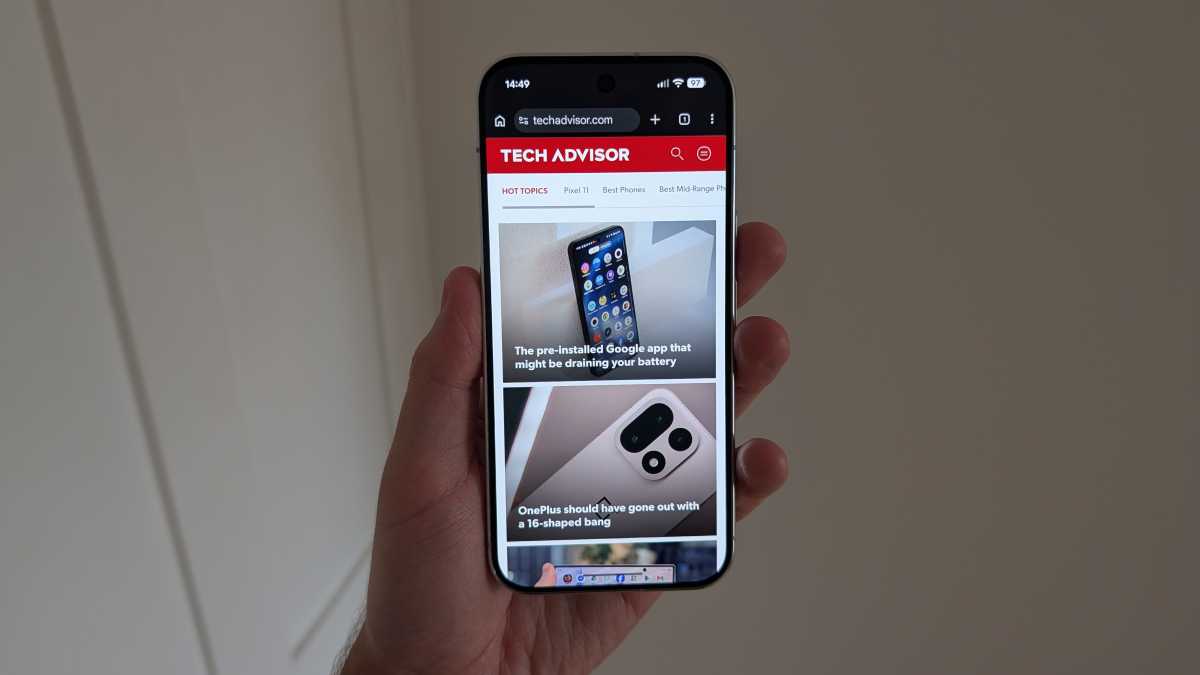
It’s still a top-class 6.3-inch 120Hz OLED panel, with a crystal-clear 1280 x 2856 resolution. Viewing angles are also excellent, though considering the Galaxy S26 Ultra‘s Privacy Display, that might not be something you want!
One area which has seen slight upgrades is brightness. Google now advertises an impressive peak of 3600 nits (up from 3300), though I doubt anyone will notice the difference. The crucial detail is that with my recorded 950 nits at max, outdoor visibility remains excellent, even in the bright sun of the UK heatwave.
Anyron Copeman / Foundry
However, as someone who’s sensitive to PWM (Pulse Width Modulation) dimming on OLED screens, I’m disappointed that the Pixel 11 Pro is still stuck at a paltry 240Hz rate. It means the flicker used for the screen’s dimming will trigger headaches, excessive eye strain and even nausea in the significant minority who are sensitive.
You can boost this to 480Hz via the “Adjust brightness for sensitive eyes” setting, but it’s nowhere near the 3000Hz that’s generally accepted as safe for nearly everyone.
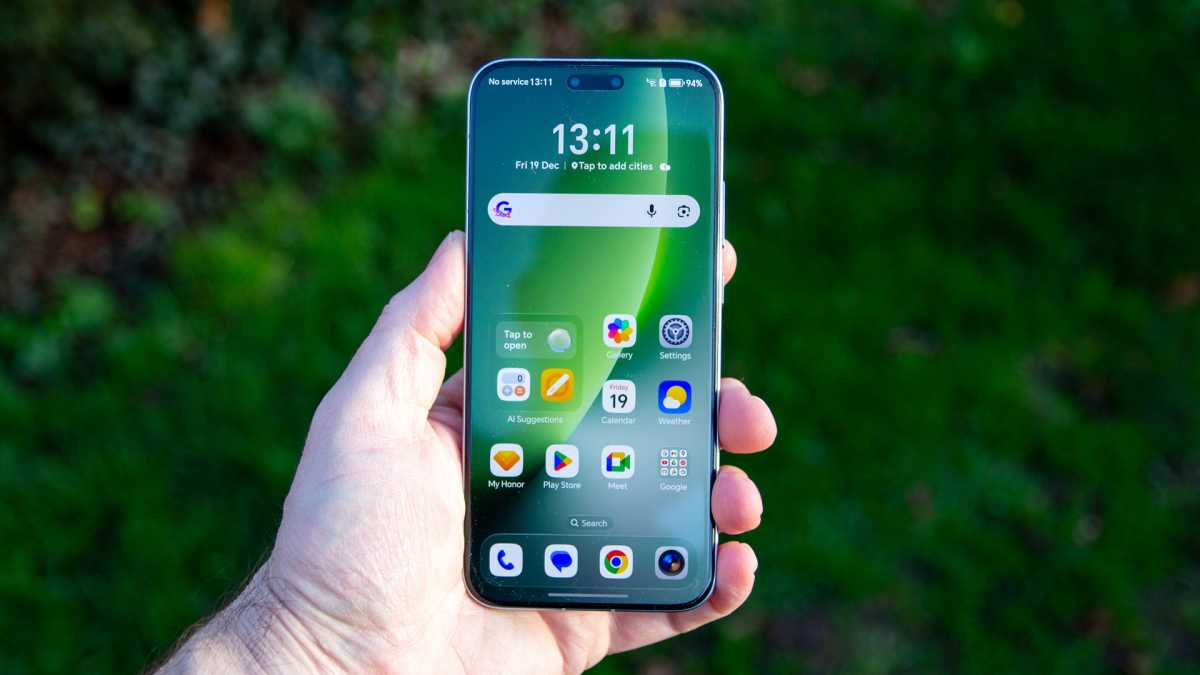
Google’s 3D Face Unlock is on par with Face ID in terms of seamless experience
By contrast, the Honor Magic 8 Pro (and new 9 Pro) offer an incredible 4320Hz frequency without sacrificing everything that makes OLEDs so great. Google is far from the only offender here, but it’s disappointing, nonetheless.
Chris Hall / Foundry
Within the display is an ultrasonic fingerprint scanner. It’s generally very fast and reliable, with a large target area making unlocking simple. However, I much prefer Google’s 3D face unlock, which is also secure enough to log into sensitive apps and authenticate payments. It’s on par with Face ID in terms of seamless experience.
Like most flagship phones, the Pixel 11 Pro combines a single downward-firing speaker with the earpiece for a stereo setup.
Audio is decent, offering a nice hit of bass and avoiding audible distortion, but it’s only suitable for casual use. If you care about room-filling audio, the Poco F8 Ultra and F9 Ultra are the phones for you.
Specs & Performance
- Google Tensor G6 chipset
- Excellent everyday performance
- Hit-and-miss gaming
Like all the Pixel 11 phones, the 11 Pro is powered by Google’s latest Tensor G6 chipset. It’s a clear step forward compared to last year’s Tensor G5, despite sticking to the same 3nm process.
I honestly can’t fault it for everyday performance. The likes of web browsing, social media apps, video streaming services and the all-important camera app open quickly and run smoothly, even when in split-screen mode.
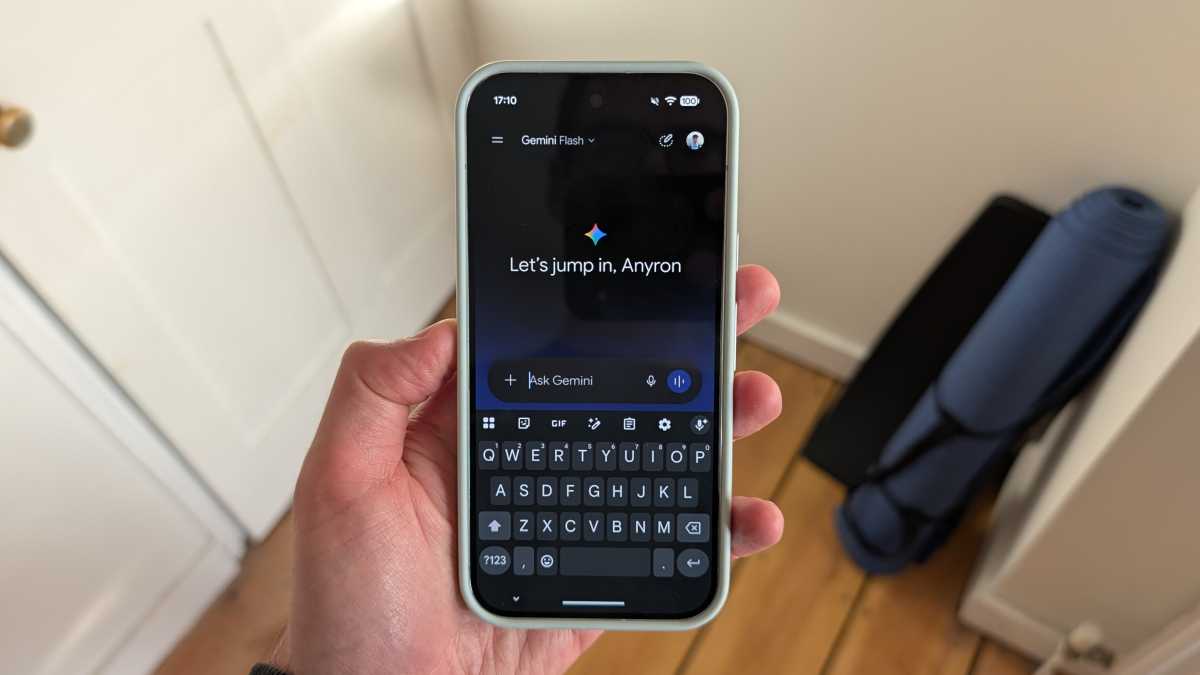
Unsurprisingly, much of the Tensor G6’s upgrades focus on AI capabilities, another area where the Pixel 11 Pro is very strong. Generating text and images, plus processing audio and other documents, all feel faster and more seamless than ever.
Anyron Copeman / Foundry
If basic apps and AI tools are all you use your phone for, you’ll be more than happy with the Pixel 11 Pro’s performance. Casual gaming is no match for it, either.
However, with a downgrade to 12GB of RAM, its ability to play more demanding titles is a mixed bag.
if you really care about mobile gaming, I’d highly recommend looking elsewhere
The experience on Call of Duty: Mobile impressed me, despite downloading the more intensive HD graphics. Gameplay remained at a smooth, consistent 60fps, and all the on-screen controls were highly responsive.
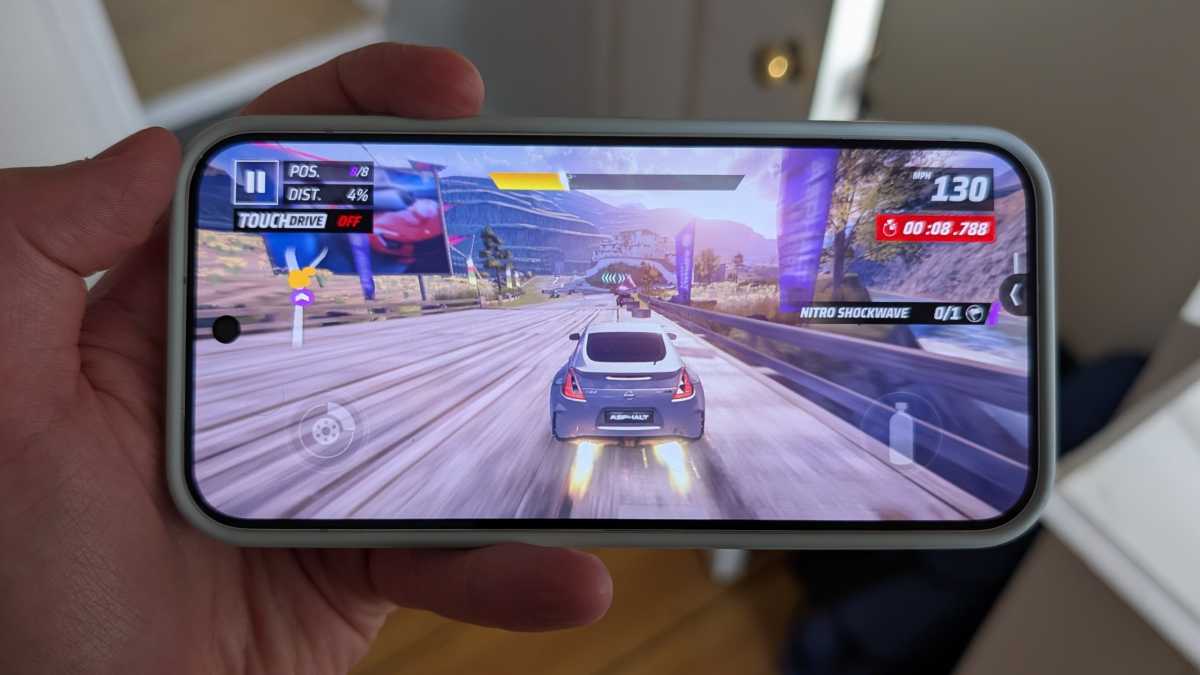
However, problems arose in Asphalt Legends. When boosting all the graphics to max, races became frustratingly stuttering, with noticeable dropped frames and laggy animations. Dropping back to the defaults produced much smoother gameplay, albeit without the polish of high-end rivals.
Anyron Copeman / Foundry
It was a similar story on Genshin Impact. With basic graphical settings, gameplay was playable but rarely smooth. Bump it up to max, though, and it was a real struggle.
Is the gaming experience a nightmare? In my experience, no, far from it. But if you really care about mobile gaming, I’d highly recommend looking elsewhere.
Google Pixel 11 Pro benchmarks
- Geekbench 6 single core: 2197
- Geekbench 6 multicore: 6059
- Wild Life Extreme Score: 3299
- Wild Life Extreme Frame Rate: 19.76fps
- Wild Life Extreme Stress Test: 62.1% stability
- PCMark 3.1 for Android battery test: 14 h 49 min
- Charging with the supplied charger in 15 minutes: 26%
- Charging with the supplied charger in 30 minutes: 53%
Cameras
- Excellent, upgraded 50Mp main lens
- Unchanged but solid 48Mp 5x telephoto and 48Mp ultrawide
- Same great selfies from 42Mp lens
- Pro Res Zoom is fun but flawed; Magic Capture is surprisingly good
Last year, I crowned the Pixel 10 Pro (specifically, the Pro XL model) the best point-and-shoot camera phone on the market. After testing the Pixel 11 Pro, I think it might be the new phone to beat.
To be clear, this isn’t the absolute best camera phone you can buy. Plenty of other models offer a more powerful system that’s capable of truly incredible things.
But if you just want to open the camera app and snap a great photo almost every time, the Pixel 11 Pro is the phone for you. It makes taking high-quality stills incredibly easy, which suits this amateur photographer perfectly.
Anyron Copeman / Foundry
You can switch up the aesthetics of the image with Google’s new ‘Camera Looks’ feature, but I’d recommend sticking with the regular mode most of the time, as that’s where you’ll get the most impressive results.
The 50Mp main lens is the star of the show. While the same megapixel count, it’s a physically larger sensor than last year, allowing it to capture much more light.
When lighting is good, the Pixel 11 Pro’s camera generates ‘wow’ moments on a regular basis
Of course, this is most noticeable in low-light environments, where the Pixel’s ‘Night Sight’ mode remains unmatched. It delivers a very tasteful, realistic-looking brightening effect, keeping noise to an absolute minimum.
While still using a long exposure, it’s also much quicker than before, meaning you don’t have to hold your phone in one position for multiple seconds.

Anyron Copeman / Foundry
When lighting is good, the Pixel 11 Pro’s camera generates ‘wow’ moments on a regular basis. Google’s aggressive software processing means photos are noticeably more vivid and saturated than real life, but detail and dynamic range are both consistently excellent.
As you can see from my samples, I’ve tested the camera across multiple environments – streets, woodland, waterways and historic architecture – and it’s yet to let me down.


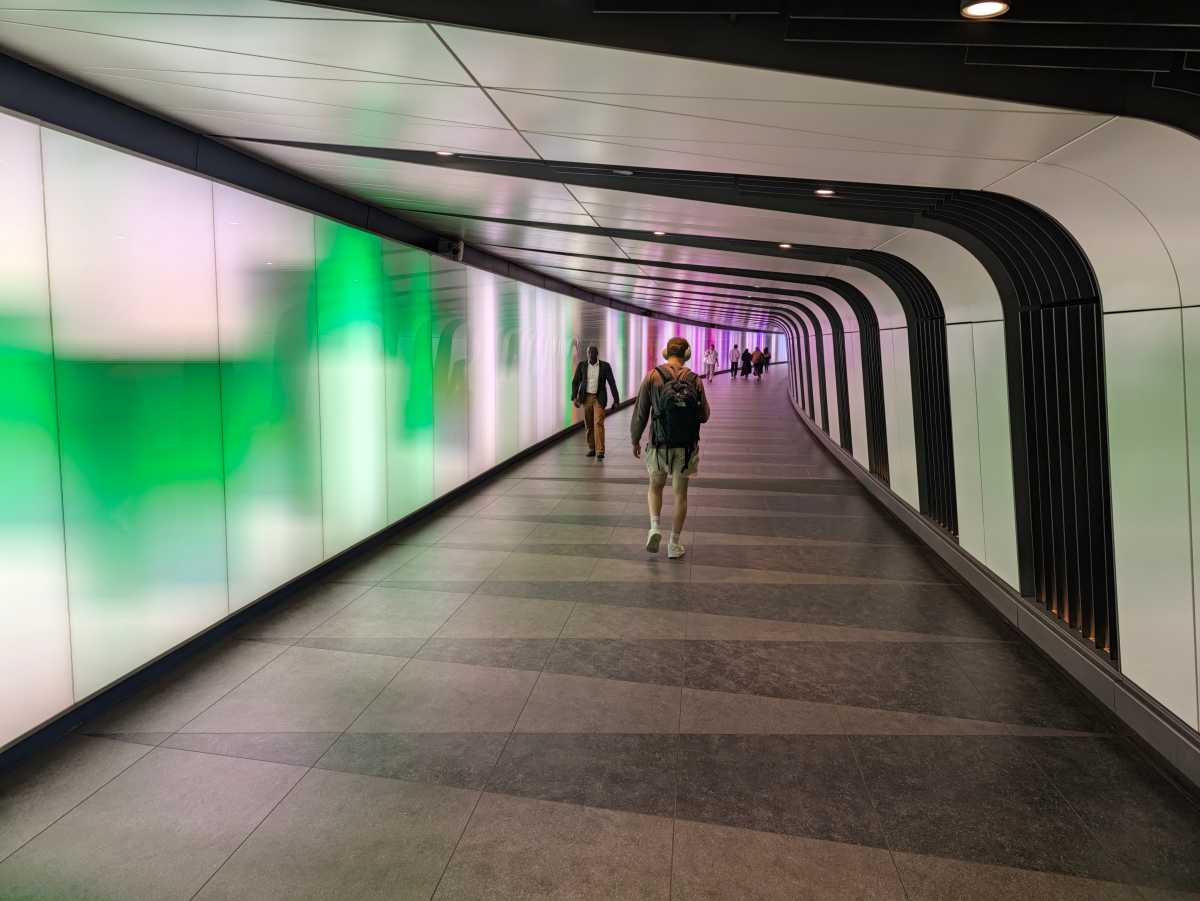

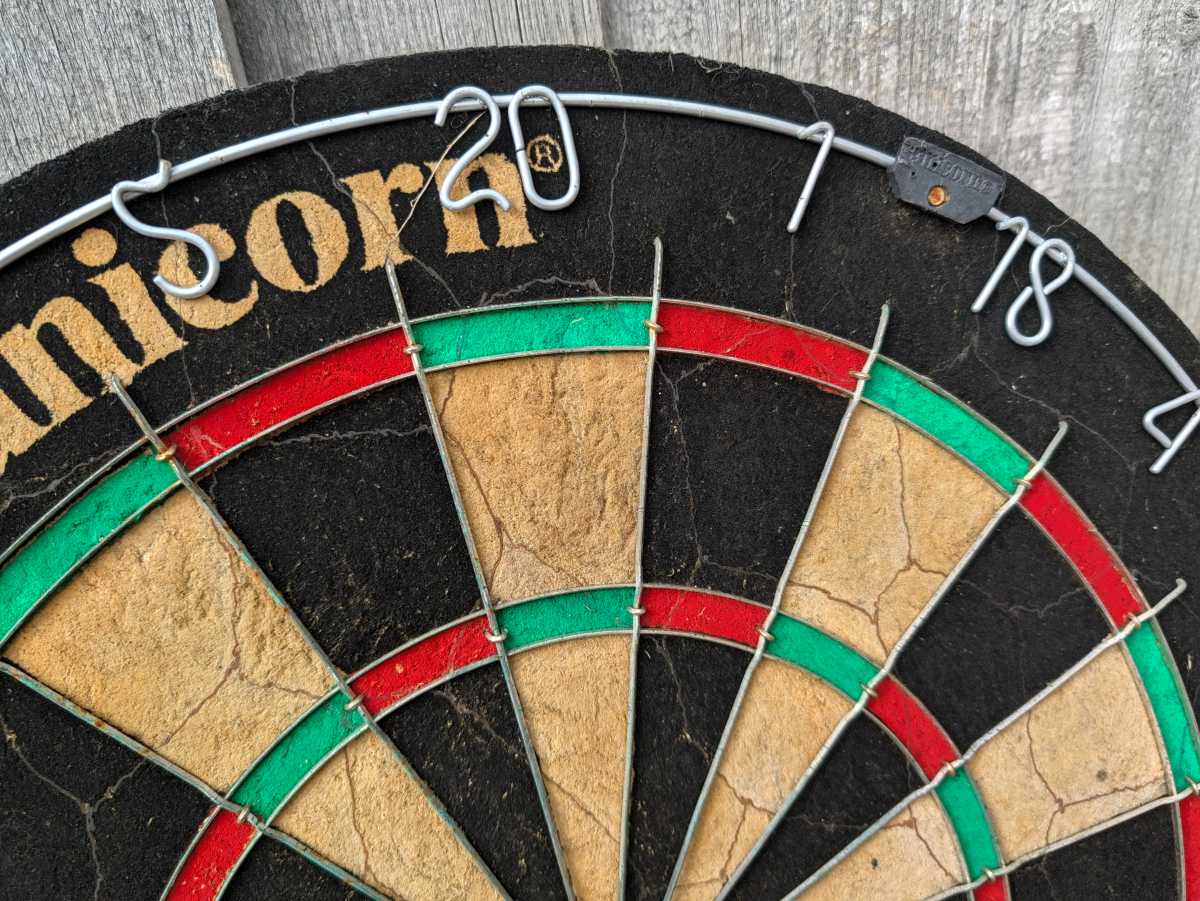


If the main lens is the Pixel 11 Pro’s most impressive camera, the 50Mp telephoto is a close second. Its 5x optical zoom is excellent, allowing you to capture details in the distance as if you were right next to them. Even once digital zoom kicks in, a surprising amount of detail is retained up to 10x, though things quickly decline after that. It’s also
The telephoto also gets a regular outing in portrait mode, where it aids depth perception. While not perfect, some of the images I’ve been able to capture are truly stunning, with edge detection a particular highlight. I’m amazed at how professional some of the portraits look.





Until ‘Pro Res Zoom’ kicks in at 30x, of course! Google has upgraded this to go all the way to 120x, using AI to fill in what it thinks are the missing details.
I thought the Pixel 10 Pro XL’s version was a bit rubbish, but the new iteration is more promising. On historic buildings, it does a convincing, if slightly inaccurate, imagining of reality. In nature, it gets the gist of the scene, yet loses much of the nuance of different plant species. And, as expected, it still struggles big time with people, so it isn’t a good option for photos at a gig.


Google has left the 48Mp ultrawide alone. It’s undoubtedly the weakest of the three, with some flaws that you won’t find on the main lens, but it generally does a good job. Detail, exposure and colour accuracy all remain solid, and the wide 123-degree field of view is useful in many scenarios.





On the front, the 48Mp lens is one of my favourite selfie cameras on any phone. I’d like the field of view to be a little wider for group selfies, but I can’t argue about the crisp detail and well-exposed faces. Even the portrait mode here is very convincing.


The Pixel 11 Pro’s video is decent, with optical image stabilisation (OIS) on the main and telephoto lenses ensuring smooth, crisp footage most of the time.
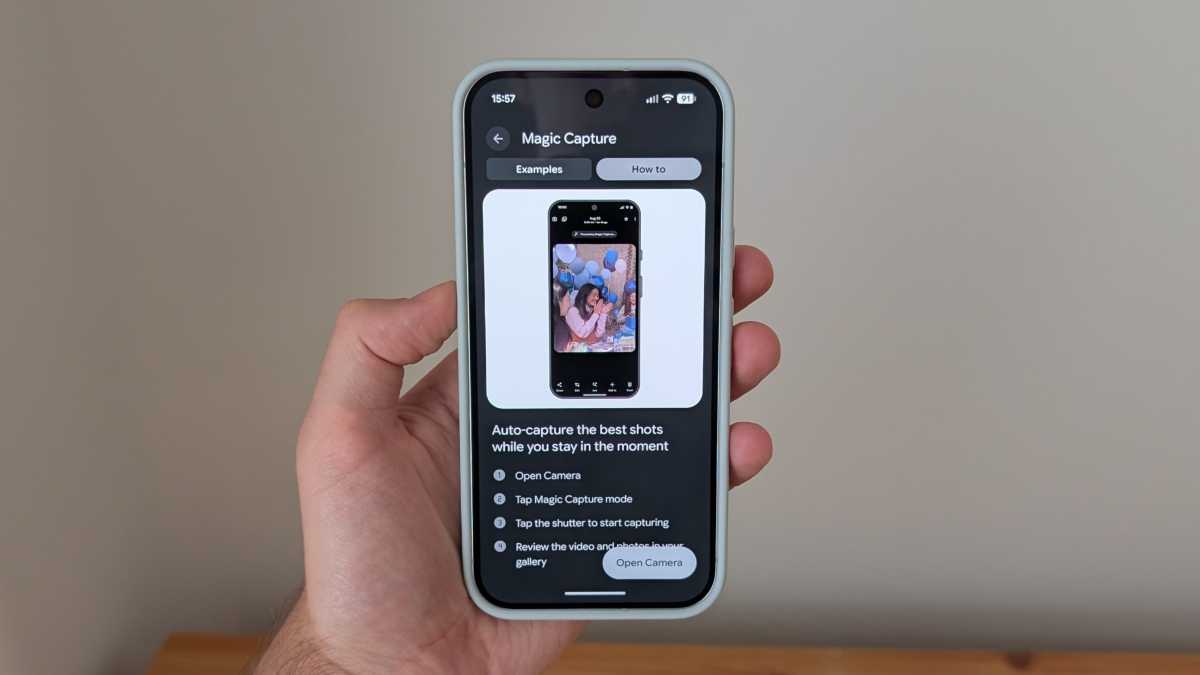
But it’s Google’s new AI video party trick that really excites me. The premise of Magic Capture is simple: you take a video as normal, then AI will analyse it and provide a selection of supposedly high-quality stills.
During a chaotic minute-long video of my mum’s dog, it did a surprisingly good job of capturing some lovely photos that I’d have never got otherwise (see below). However, its choice of the best frame was very questionable at times, so I’d only use it if you don’t mind missing out on some moments you might consider important.




Battery Life & Charging
- 4850mAh lithium-ion battery
- Inconsistent battery life
- Slow 30W wired charging, but 25W Pixelsnap
Weirdly, the Pixel 11 Pro has a smaller battery than its predecessor, albeit only by 20mAh.
Still, a 4850mAh cell is on the small side by 2026 standards, even on a compact phone like this. Google is yet to embrace silicon-carbon (Si-C) batteries on its handsets, so you’re stuck with good old-fashioned lithium-ion.
Except, it’s not good – certainly not as good as I was hoping. The Pixel 11 Pro does nearly always make it to the end of the day, but it’s not consistent.
Anyron Copeman / Foundry
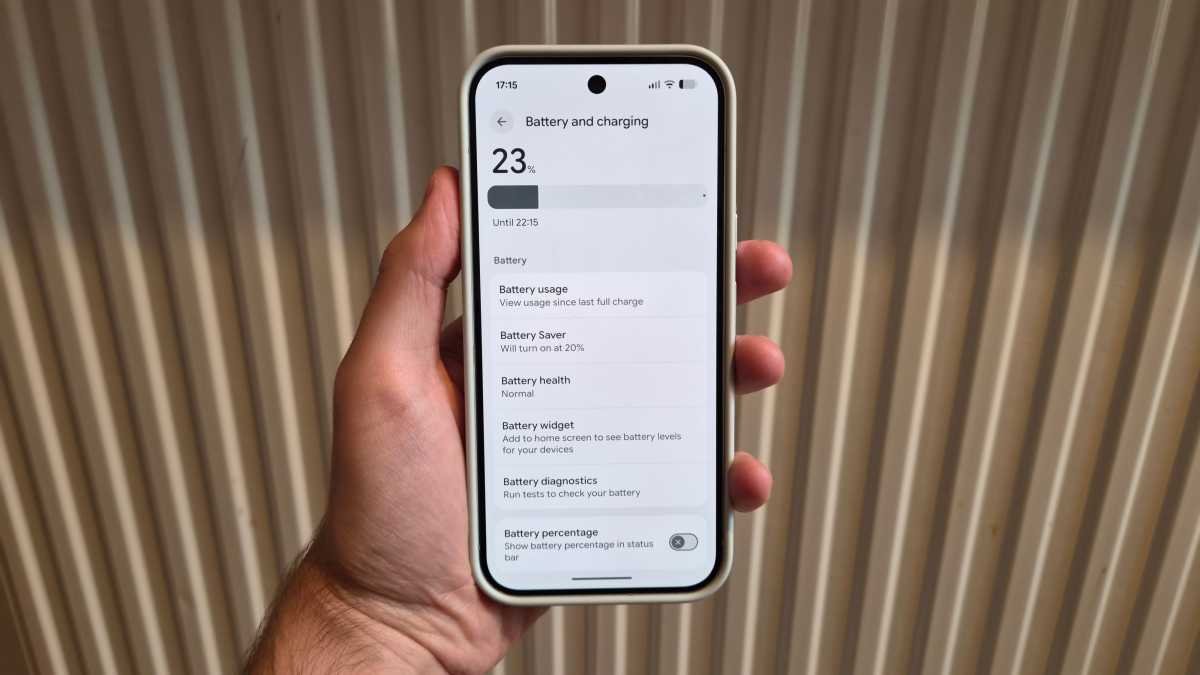
During an 11-hour trip to London, which included more than three hours of high-brightness screen time and plenty of photography, audio recording and navigation, the phone went from full to 22%. I’d say this is a solid result, which means most heavy-usage days should end with charge to spare.
However, its performance on lighter days at home has left a lot to be desired. The main issue is standby mode; the 11 Pro loses between 10-15% charge overnight, almost without fail. During the day, I often pick up my phone and notice a much lower percentage than I was expecting.
don’t expect the Pixel 11 Pro to get anywhere close to the best battery life phones
I can only hope that this issue will be resolved once the phone learns my usage patterns or Google delivers a software update. But the fact that the battery diagnostics tool in Settings says “Battery health is normal” and “All settings are optimised” is concerning.
Even with the standby problems fixed, don’t expect the Pixel 11 Pro to get anywhere close to the best battery life phones. A full day with capacity to spare, yes, but you’ll almost certainly need a charger the following day.
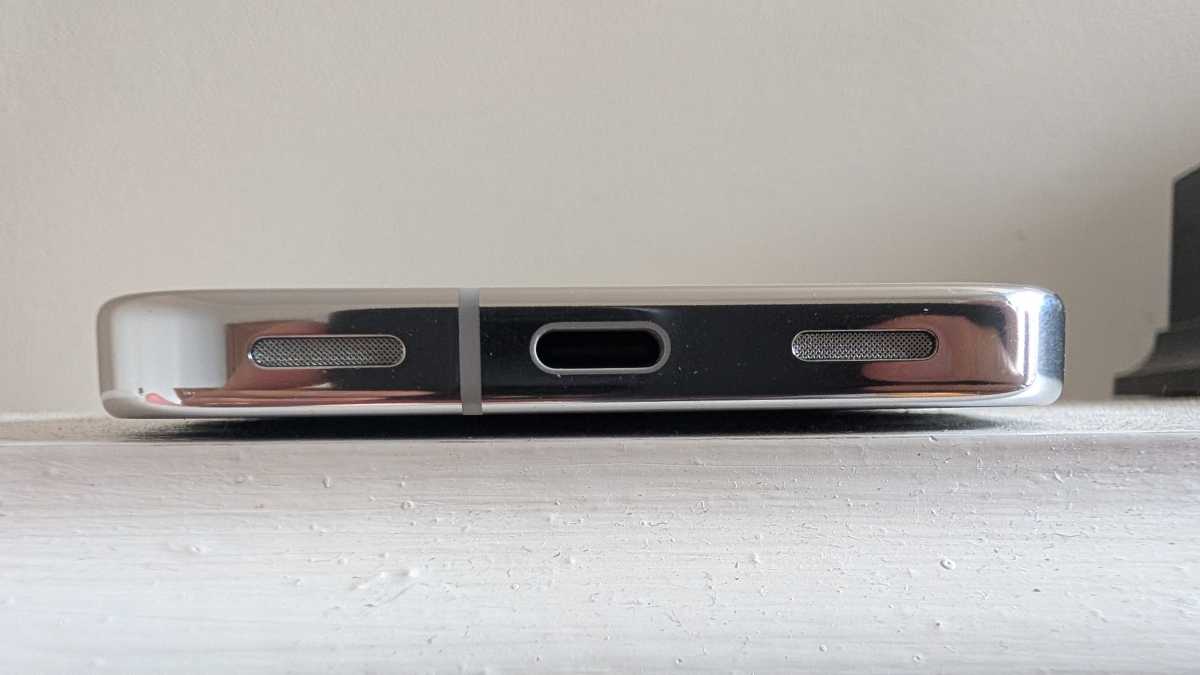
Talking of chargers, there isn’t one in the box (no surprises there). Google has stuck with the same paltry 30W wired speeds, which feels glacial by modern standards. Even with an official 67W charger, I only got to 26% charge in 15 minutes and 53% after half an hour. A full charge took well over an hour.
Anyron Copeman / Foundry
However, the charging situation has two saving graces. The first is ‘Extreme Charging Mode’, which boosts speeds when under 50% battery by pausing background activity. It’s surprisingly effective, and means a few minutes will nearly always get you a couple of hours of usage in an emergency.
The other is Pixelsnap. Google’s built-in Qi2 wireless charging and magnetic accessory ecosystem isn’t new, but considering how few rival brands have followed suit, it remains highly noteworthy.
If you don’t like Google’s official selection, basically every gadget designed for the iPhone’s MagSafe also works, which is a real boon. With 25W speeds here, you might as well use Pixelsnap instead of going wired.
Software & AI
- Android 17
- Lots of bugs during testing
- Seven years of OS and security updates
On paper, the Pixel 11 Pro delivers a top-tier software experience. It’s one of the first phones to run Android 17 out of the box, and the Pixel UI delivers a bloat-free, feature-rich experience.
Sadly, it’s been a big letdown for one big reason: bugs. I’m just amazed that Google could ship a phone that’s so full of annoying software issues.
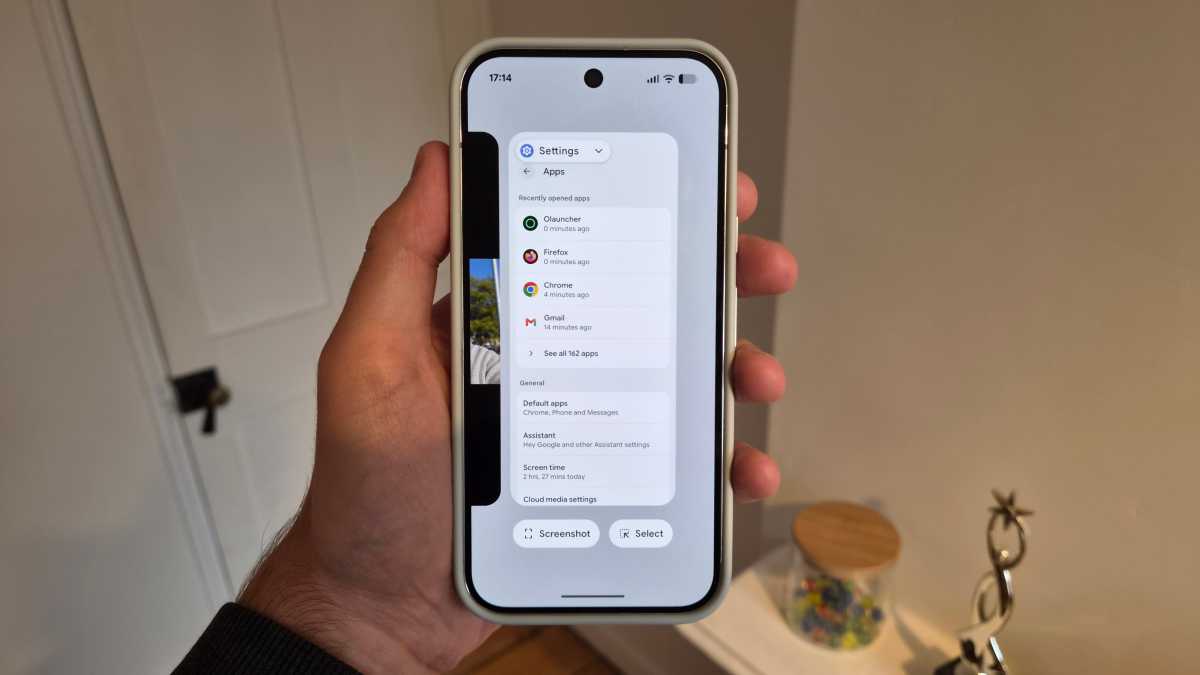
Most of these are small hiccups – think apps that ghost over the recent apps screen, an unresponsive screen or frequent freezing and hesitation. On one occasion, the phone even forced a reboot when I was in the middle of something.
Anyron Copeman / Foundry
Of course, I can’t guarantee all or any of these will affect you if you buy the Pixel 11 Pro. But with reports of bugs affecting the Video Boost feature, 4K video audio, scrolling and NFC payments, the chances of you escaping without any problems feel slim.
These (and any future issues) could all be addressed with a software update or two. But that’s by no means guaranteed. I must review the device as it’s presented to me now, which is in an unfit state, especially for a flagship phone.
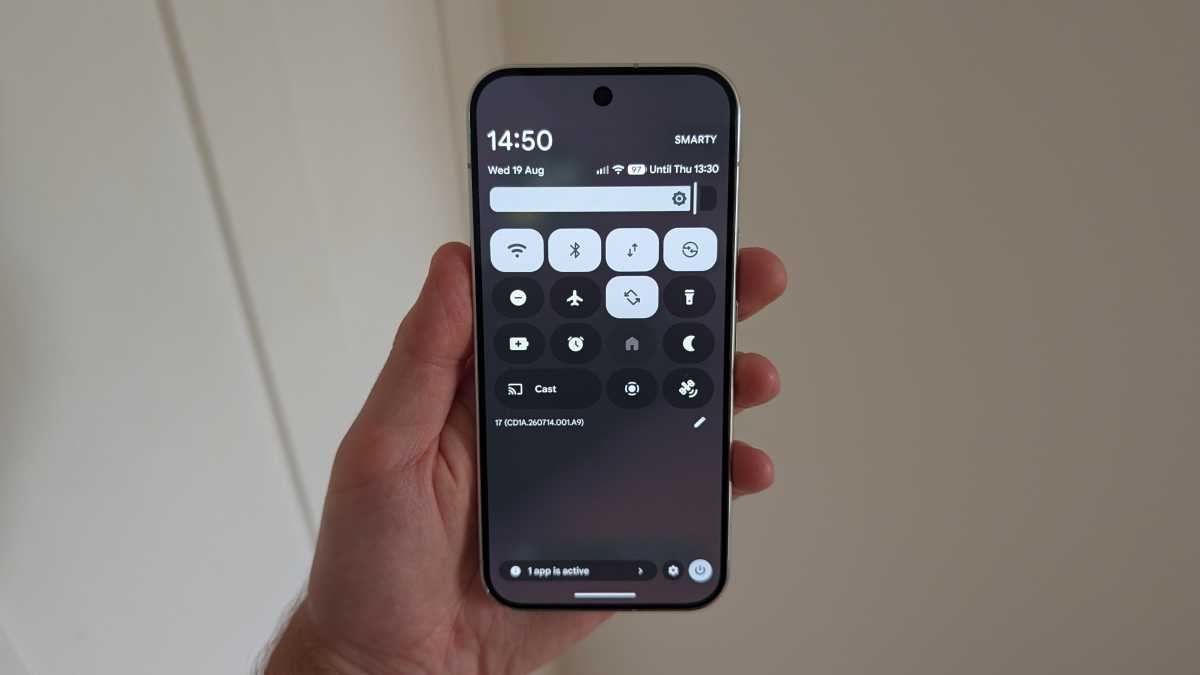
It’s a real shame, because the Pixel software is arguably the best it’s ever been. Android 17 is clean, slick and highly customisable, while the option to finally split Wi-Fi and mobile data toggles in quick settings is a major plus (why did it take them so long?!).
Anyron Copeman / Foundry
Also, if you’re deep in the Google ecosystem, there’s very little bloatware. That’s rare for Android phones.
The Gemini chatbot and Circle to Search are as useful as ever. Google is making a big deal out of its proactive ‘Gemini Intelligence’ features, but the reality is that few are available in the UK (where I’m based) at the time of writing.
Aside from Magic Capture, the only other one I could use was ‘Rambler’, which successfully took my chaotic monologues and turned them into something relatively organised. It does a great job with speech recognition and even editing something that you’ve already said.
Anyron Copeman / Foundry
Also, it’s worth mentioning the Pixel’s AirDrop compatibility, which means you won’t feel so isolated if all your friends and family own iPhones. It’s great for sharing files to a Mac or iPad, too.
Like all recent Pixel phones, the 11 Pro is scheduled to get seven years of Android and security updates, so it should be safe to use until 2033. Crucially, it should also remain among the first in line to get Android 18 and future major versions, avoiding the long delays we often see with other phone makers.
Price & Availability
At launch, the Pixel 11 Pro is £80/$100 more expensive than its predecessor, starting at £1,079/$1,099. You do at least get 256GB of storage as standard now, but it’s still very expensive.
It’s available to buy directly from Google in the UK and US, plus a variety of third-party retailers and networks in both countries.
But it’s up against many of the very best phones you can buy. Is it a better choice for you than fellow compact flagships such as the Samsung Galaxy S26 and iPhone 17? I have my doubts.
Should you buy the Google Pixel 11 Pro?
Only if you’re willing to pay a premium for a flagship phone with some key flaws.
I love the Pixel 11 Pro’s compact yet high-quality build, incredible camera system and gorgeous display. Several of Google’s AI features genuinely hit the mark, while built-in Pixelsnap magnets are a rare joy on Android phones.
In theory, Android 17 is at its best on the Pixel, but that’s only without the bugs which have plagued my experience. Even then, the mixed gaming performance and underwhelming battery life should be enough for you to think twice.
Ultimately, the useless new ‘HiLight’ feature sums up the Pixel 11 Pro. With so few upgrades and a price rise, Google’s gimmicky new light can’t distract from some big issues.
Software updates could address many of the Pixel 11 Pro’s main issues. But until they arrive, I’d encourage you to look elsewhere.
Specs
- Android 17
- 6.3-inch display, 1280 x 2856, OLED, 120Hz
- Under-screen ultrasonic fingerprint sensor
- Google Tensor G6 chipset
- 12GB / 16GB RAM
- 256GB / 512GB / 1TB storage
- 50Mp main camera
- 48Mp ultrawide
- 48Mp 5x telephoto
- 42Mp selfie camera
- Up to 8K @ 30fps rear video
- Stereo speakers
- Single SIM + eSIM
- Wi-Fi 802.11 a/b/g/n/ac/6e/7
- Bluetooth 6.0
- 4850mAh battery
- 30W wired charging
- 25W wireless charging
- 152.7 x 71.9 x 8.4 mm
- IP68 certified
- 204g
- Colours: Olive, Obsidian, Canyon, Fog
from Tech Advisor
via Google Pixel 11 Pro review: Flawed genius